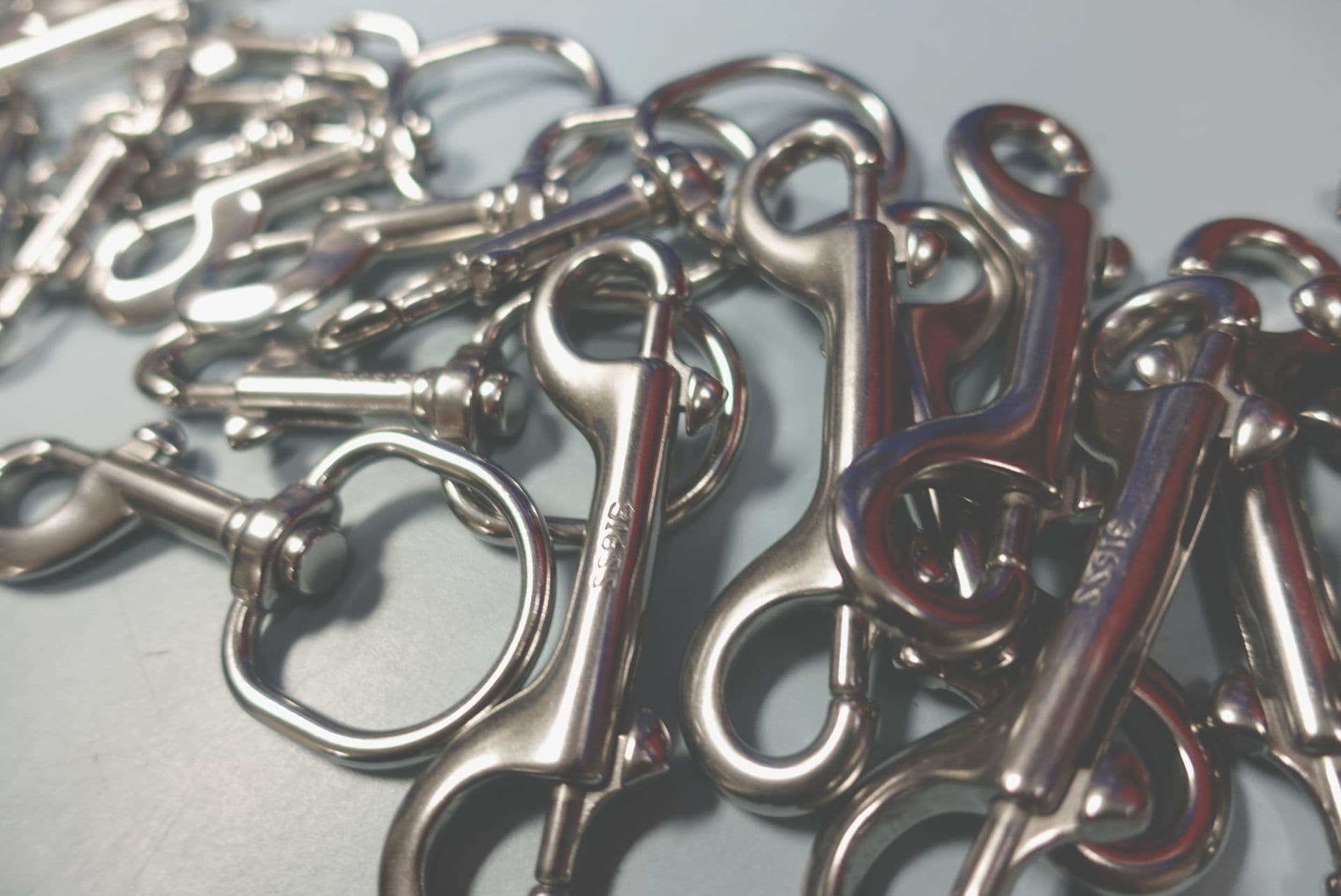
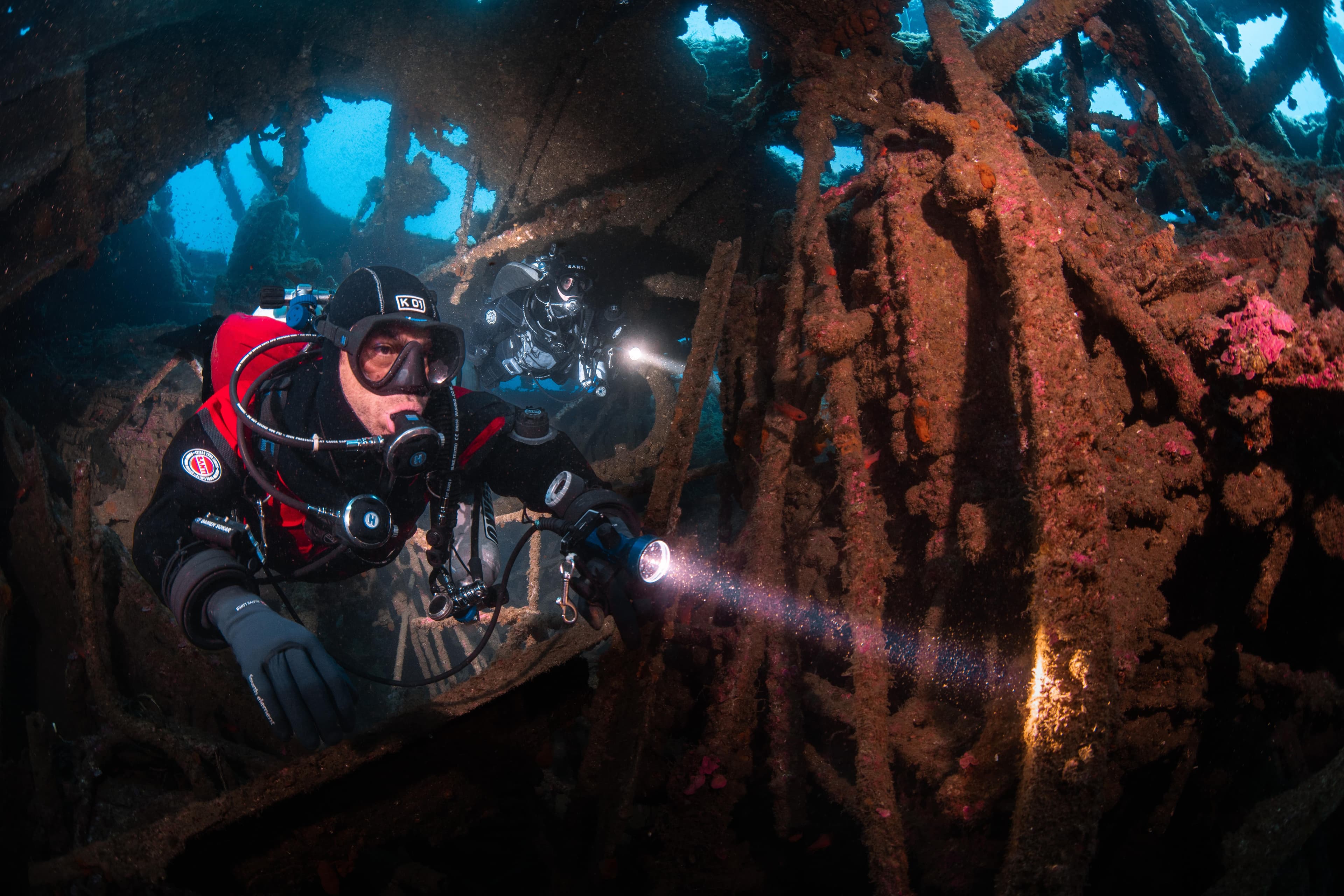
As a scuba diver, you know that maintaining your dive gear is of the utmost importance. Your dive gear is what keeps you safe and comfortable in the underwater world. This article will explore how to maintain stainless steel dive equipment.
Why does my stainless steel dive equipment look as though it is rusting?
Stainless steel is more resistant to rust and stains than other types of steel. What looks like rust is surface corrosion.
Photo: Julian Muhlenhaus |
Many scuba divers enjoy diving in the ocean to observe incredible reefs and wrecks. Dive training commonly occurs in swimming pools because they are more of a controlled environment. Both of these environments are harsher on dive gear than freshwater alone because of salt and chlorine, which both have chlorides in them. Corrosion occurs when chlorides attack the protective chromium oxide layer of stainless steel.
The best way to prevent corrosion is to rinse all of your dive equipment thoroughly in fresh water after use in salt water or chlorinated water. Keeping stainless steel's protective chromium oxide layer intact is what prevents corrosion.
Make sure to:
- Rinse off your stainless steel dive gear (bolt snaps, backplates, buckles) thoroughly after each use in salt water or chlorinated water
- Inspect your dive gear frequently for discoloration, rust, or corrosion
- Remove any signs of rust as soon as you can to prevent pitting
Make sure to NOT:
- Use steel wool, sandpaper, or other harsh cleaners to clean your dive gear (using steel wool on stainless steel will result in the non-stainless steel from the wool embedding itself in the stainless steel, which is difficult to reverse)
- Store your stainless steel dive gear in a place that attracts moisture
- Dive in salt water or chlorinated water without thoroughly rinsing off your dive gear as soon as possible
- Store your dive gear for an extended time without checking on it
We hope this article helps you maintain your stainless steel dive equipment for as long as possible.
Happy diving!